Category: Strategies

Find the best strategies to get more traffic, sales, and revenue from affiliate marketing, blogging and becoming a leader in today’s world.

  • Why Local SEO is Key for Small Businesses

    Why Local SEO is Key for Small Businesses

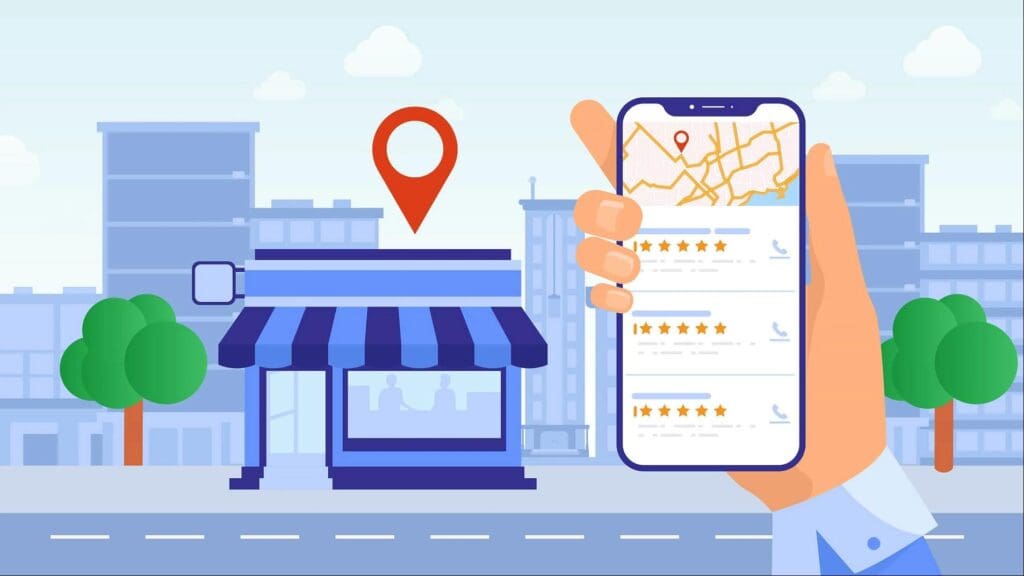
    Local SEO focuses on enhancing the visibility of small businesses in local search engine results. When an individual searches, the results that appear typically answer the intended question of “near me.” Local SEO is a strategy aimed at improving search results in a particular geographical area. Small businesses that master local SEO have a higher chance of succeeding. Here are reasons why local SEO is key for small business success.

    1.   Increases in small business awareness

    As stated above, local SEO plays a crucial role in increasing the visibility of small businesses. Therefore, optimizing your online presence for local search expands your visibility and attracts new customers.

    You can outsource local SEO optimization to an SEO agency for better results. For instance, SEO by JSB Digital Works ensures you can navigate the competitive local landscape and have incredible first-page results on search engines.

    2.   Enhance conversion rates

    Since Local SEO increases the visibility of your business, it is also key to enhancing your conversion rates. The visibility brings in relevant traffic to your site and ensures prospective customers interested in your services or products can find your site. As a result, the chances of making sales increase, enabling you to attain a better conversion rate.

    3.   Provides a cost-effective marketing strategy

    Local SEO is a cost-efficient method of online advertising. It allows small businesses to reach their local target audience and track the effectiveness of their marketing efforts. You can use tools like Google Analytics to monitor website traffic and determine which keywords drive more visitors to your website.

    One of the biggest merits of Local SEO efforts for small businesses is that it reduces marketing costs by optimizing websites and ensuring you can avoid costly print materials and ad campaigns. The main benefit of reducing business expenses is that it can help maximize revenue.

    4.   Ensures that local customers can find small businesses easily

    86% of customers use the internet to search for local businesses, and 72% of them who conduct a local search visit a small business store within a five-mile radius. Therefore, investing in local SEO increases the chances of local customers finding you easily; this increases the opportunity of capturing new leads. A happy customer will help you attract new business.

    5.   Build credibility and trust

    When you appear on a local market search result, you stand a higher chance of gaining customer trust and credibility. Local SEO makes full use of local backlinks to cultivate credibility and trust. Backlinks comprise links from other local websites and businesses that point to your website. These backlinks prove that your business is authoritative and trustworthy. Google’s ranking algorithm also uses backlinks to determine a site’s authority. 

    6.   Attain long-lasting ranking

    Local SEO ranking is more long-lasting compared to traditional marketing. Once you rank well in search engine result pages (SERPs), you are highly likely to maintain that position for a long time. As long as you optimize your local SEO and keep up with all your marketing efforts, you will attain long-lasting search engine ranking, which is essential in driving traffic.

    Endnote

    Focusing on local SEO is crucial in increasing a business’s visibility. This visibility is essential in increasing awareness, driving traffic, improving conversion rates, and ensuring local customers can easily reach you.

  • Tips for Creating Captivating Flier Designs

    Tips for Creating Captivating Flier Designs

    In today’s digital age, fliers remain an effective and versatile tool for promoting events, businesses, or causes. However, creating captivating flier designs that grab attention and leave a lasting impression is crucial in a world bombarded with information. With the right combination of visual elements and strategic design choices, you can make your flier stand out from the rest.

    An effective flier has a great combination of striking design, clear messaging, and flawless finish. While the primary goal of fliers is to grab attention and convert sales, you simply can’t afford to be dull at all. This is especially crucial if you want to advertise something more informal, like a club night or festival. Use custom holographic stickers to inject a surreal dimension of light and color into your design and bring loads of attention to your brand. Outlined below are a few secrets to creating captivating flier designs that will captivate your audience and boost your success:

    1.  Define your objective and target audience

    Before diving into the design process, it’s crucial to clearly define your objective. Are you promoting a product, announcing an event, or raising awareness for a cause? By identifying your primary goal, you can tailor your flier design accordingly, ensuring that every element supports your objective. Boldly conveying your message will grab attention and engage your target audience.

    It is vital to understand your target audiences’ demographics, preferences, and interests. This will enable you to design a flier that resonates with them. Understanding your audience ensures your flier design aligns with their expectations, increasing the chances of capturing their attention.

    2. Keep it simple and focused

    One of the most common mistakes in flier design is cluttering the layout with excessive information. Remember, the primary purpose of a flier is to grab attention quickly and convey key details. Simplicity is key to creating an impactful flier design in a world filled with visual clutter. Keep your message concise and focused, avoiding excessive text and overwhelming graphics. Utilize bold headlines, catchy taglines, and compelling imagery to grab attention instantly. Maintaining a clean and uncluttered layout allows your audience to quickly grasp the core message and take action.

    Avoid overcrowding the flier with too many elements, as this can overwhelm the viewer and dilute the message. Utilize white space strategically to create a sense of balance and allow the important elements to stand out. Remember, less is often more when it comes to flier design.

    3. Visual hierarchy and balance

    Visual hierarchy plays a crucial role in guiding the viewer’s attention and emphasizing key information. Establish a clear visual hierarchy by using contrasting font sizes, colors, and styles to direct attention to the most critical elements. Incorporate a sense of balance by strategically placing images, text, and white space to create an aesthetically pleasing composition. Remember, a well-balanced design helps the viewer navigate through the flier effortlessly.

    Ensure that the visuals are clear, vibrant, and visually appealing. If you’re showcasing products, use professional photographs that showcase their best features. Additionally, don’t be afraid to experiment with typography to make headlines or key information stand out. Select fonts that are legible and align with your brand’s personality. A captivating combination of visuals and typography will make your flier visually appealing and instantly engaging.

    4. Incorporate a call to action

    A well-designed flier without a clear call to action is like a ship without a destination. Your flier should have a specific purpose, whether it’s to drive sales, generate leads, or encourage event attendance. Incorporate a compelling call to action that guides the viewer on what they need to do next. Use action-oriented verbs and create a sense of urgency.

    Whether it’s “Call now for a limited-time offer” or “Visit our store to experience the magic,” the call to action should be prominent and impossible to miss. Additionally, include relevant contact information such as phone numbers, websites, or social media handles to facilitate easy communication. By providing a clear call to action, you increase the chances of converting flier recipients into customers or participants.

    Endnote

    Creating captivating flier designs requires careful planning and attention to detail. By implementing the tips above, you can design fliers that attract attention and resonate with your desired audience. Remember, a well-designed flier is not only visually appealing but also effectively communicates your message, making it more likely to achieve the desired response. So, apply these tips, get creative, and watch your fliers become powerful tools for successful promotion.

  • From Visitors to Customers: 5 Effective Techniques for Increasing Website Conversions

    From Visitors to Customers: 5 Effective Techniques for Increasing Website Conversions

    Are you struggling to convert your website traffic into dedicated customers? You are not alone. A significant challenge in the digital marketing landscape is to make the leap from site visitors to engaged customers. Fortunately, by understanding the power of conversion rate optimization, you can overcome this hurdle.

    Now, let’s cut to the chase. Increasing your conversion rate means making your website more attractive and intuitive for visitors, inspiring them to take the desired action—like signing up for a newsletter or making a purchase. The great news is that there are effective techniques you can use to achieve these goals.

    Why Websites Matter in Improving Conversion Rates

    Your website isn’t just a digital brochure—it’s an interactive platform where your audience can learn about your business, engage with your content, and take valuable actions. Here’s why your website is crucial in improving conversion rates:

    • First Impressions Matter: Your website often serves as the first point of contact with potential customers. If it’s visually appealing, well-organized, and easy to navigate, visitors are more likely to stay and explore, which increases the chances of conversion.
    • Guided User Journeys: A well-structured website can guide visitors through the customer journey. By strategically placing calls to action (CTAs), offering relevant content, and ensuring intuitive navigation, you can lead users to the desired endpoint: conversion.
    • Showcases Your Offerings: Your website is the perfect platform to showcase your products or services. Clear, compelling descriptions along with high-quality images or videos can make your offerings irresistible, encouraging users to take the next step.
    • Builds Trust: Trust is a significant factor in conversion. By featuring customer testimonials, case studies, and industry certifications on your website, you can build credibility, which can help persuade visitors to convert.
    • 24/7 Accessibility: Unlike physical stores, your website is accessible round-the-clock. This constant availability offers more opportunities for visitors to convert at their convenience.
    • Data Collection Point: Your website can serve as a valuable data collection point. Analytics can provide insights into user behavior, helping you to optimize your site for higher conversion rates.

    In essence, your website is a multifaceted tool that can influence a visitor’s decision to engage further with your brand or make a purchase.

    Top 5 Tactics for Improving Your Website’s Conversion Rates

    Optimize Website Design and User Experience

    Your website should be a joy to navigate. Clean layouts, intuitive interfaces, and mobile-friendly designs can work wonders. Prioritize clarity over extravagance and consistency over confusion. The aim is to make it as easy as possible for visitors to find what they need and take the next step.

    Streamline the Conversion Process

    The simpler the conversion process, the better. Here’s how:

    • Simplify the Signup or Purchase Process: Make it quick and easy for users to sign up or make a purchase. Consider one-click purchases or social media sign-in options.
    • Minimize Form Fields and Data Entry Requirements: Don’t ask for more information than necessary. Each extra field can deter potential customers.
    • Provide Progress Indicators and Clear Instructions: Show users how far they are in the process and what steps are left. Clarity reduces frustration and drop-offs.

    Implement Personalization and Targeted Messaging

    Personalized experiences can help users feel seen and valued, thereby increasing their likelihood of convert. By using data-driven insights, you can tailor your website’s content and offerings to match visitor preferences and behavior.

    Improve Website Speed and Performance

    In the fast-paced world of the internet, speed is crucial. If your website takes too long to load, users will abandon it. One way to ensure speedy performance is by hosting your website on a dedicated server. A slow-loading site is a conversion killer, so prioritize performance for an optimal user experience.

    Leverage Social Proof and Testimonials

    People often look to others when making decisions. By featuring testimonials, reviews, or logos of known clients, you can establish trust and encourage conversions. This social proof shows that others have had positive experiences with your brand, which can be a compelling motivator for visitors.

    Key Takeaways

    Improving website conversions doesn’t have to be an uphill struggle. By focusing on user experience, streamlining your conversion process, personalizing content, maintaining speedy performance, and leveraging social proof, you can transform more of your visitors into loyal customers.

    Remember, conversion is a journey, not a destination. Be ready to continually refine your strategies, learn from your data, and adjust to your audience’s needs. Your website has immense potential to drive your business growth—seize it!

  • Legitimate Link Building for Your Business Website

    Legitimate Link Building for Your Business Website

    The internet is a highly competitive space for businesses. If you want to maximize your online assets, you need to make sure that you’re using the right strategies. For example, for your website to improve its rankings on search engine results pages (SERPs), you’ll need to step up your SEO or search engine optimization efforts.

    Businesses that intend to invest in their SEO using “white hat” or legitimate practices will likely be recommended an SEO action plan that aims to (1) increase organic website traffic and (2) bolster appearances in the top SERPs. Some notable SEO activities include content marketing, website optimization for mobile, and link building. The latter is particularly important with regard to establishing a business’s credibility. When search engines like Google pick up on the fact that there are plenty of links leading back to your site or content, they will interpret this as a sign of reliability on your part or even see you as an authority in your industry.

    However, there’s a proper and legitimate approach to link building. If you don’t do it the right way, the effort may backfire and you may actually end up hurting your SERP rankings. It’s best to work with an SEO company Philippines and international clients trust so that you don’t get penalized or wreak damage to your business’s reputation. You can also count on a competent SEO company to know what, when, and how to use different types of links (i.e., external and internal links) to the fullest.

    All that being said, here are some things you should know about link building for your business and how to go about it in a legitimate way:

    Creating Meaningful, Relevant Content

    As mentioned above, one of the goals of link building is to establish your website’s credibility in the online world. You won’t be able to achieve this without having any content that other websites can use for backlinks. As such, your first order of business for legitimate and successful link building is to generate content—without falling into the trap of creating links for the purpose of accumulating them.

    In SEO, quality almost always trumps quantity. It’s good to have a lot of links, yes, but having hundreds of irrelevant, low-quality ones can negatively impact both your business reputation and your SERP rankings.

    The focus should be on creating meaningful, relevant content for your target audience. Your chosen SEO company can handle this for you, but you may also want to contribute content like day-in-the-life blogs. These can provide customers a glimpse of the people behind the company and add a touch of relatability to your brand.

    Refurbishing or Republishing Your Old, but Well-Performing Content

    For the content you already have, make sure to take a look at the performance of your best pieces. Find out which pieces have produced the best results when it comes to generating traffic, increasing the time spent on your website, and making conversions. Consider restructuring those pieces of content to share on other platforms—for example, turning a popular travel blog post into a TikTok video. Doing this ensures that search engines won’t be your only source of traffic. At the same time, the same high-quality content on other platforms may also be crawled and indexed.

    You should also conduct periodic reviews of your content and see if any of it can be updated. Did you write about the latest developments about non-fungible tokens (NFTs) in 2021? Well, things may be different two years down the line. Update your posts accordingly so that search engines can re-index your most valuable content.

    Maintaining a Reasonable Number of Reciprocal Links

    If you’re familiar with so-called “ex-deals” in marketing, there’s a sort-of equivalent to the practice when it comes to link building: reciprocal links. This is a common practice within industries because there’s a high chance that Website A’s content will be relevant or connected to Website B’s content, and vice versa.

    That said, if Website A and Website B have been exchanging links a little too often, search engines may flag that as suspicious. In short, that means that you’ll want to balance reciprocal links with other link building practices.

    Removing Bad Links

    Beyond creating high-quality content that can be used for link building, you should also make it a habit to remove bad links. Some examples include (but are not limited to) the following:

    • Links that can’t be found or accessed because the page has been moved or deleted (also called broken links)
    • Links to or from spammy, unsecure, or low-authority websites
    • Links to or from an irrelevant website, e.g. a construction website linking to a cosmetics website
    • Links to or from a link farm, which is a group of websites that all link to the others in the group

    Essentially, a bad link is something that doesn’t give your business website any value. If you don’t get rid of them, you can get punished with lower SERP rankings.

    For bad internal links, you can resolve each issue by creating new content for each link or redirecting the content to another high-quality and relevant URL within your site. For bad backlinks, get in touch with the website owner ASAP to have the link to your website removed. In case they don’t respond, use Google’s Disavow Tool. This lets Google know that you don’t want the said link to be included in your profile.

    Saying NO to Link Buying

    There are many ways that unscrupulous organizations can try to undermine the algorithms of search engines. One is through link buying, which is essentially paying another website to link back to yours. Of course, search engines can’t really identify whether a link is paid or organic. However, there are certain indicators or patterns that can clue them in on your anomalous actions, and these can result in various penalties.

    Keep in mind that link building—and SEO in general—takes a bit of time to generate appreciable results. Moreover, it takes consistency to achieve. Don’t let your business resort to shortcuts; instead, work with a good SEO company and make sure to acquire your links organically.

    Hopefully, this article has helped you better understand what goes into link building for SEO and how you can go about it for your business website. With a combination of patience and a choice to rely on legitimate link building strategies, you’ll be able to rise through the SERP rankings and earn your business a place on the front pages.

  • 5 Simple Ways to Use Twitter for Business

    5 Simple Ways to Use Twitter for Business

    Twitter is one of the most popular and well-known social media platforms out there, with over 368 million monthly active users worldwide as of December 2022. And while it may seem like a platform mainly used by individuals to keep up with friends and family or share opinions on current events, Twitter can actually be an incredibly powerful tool for businesses.

    From promoting products to connecting with customers and conducting market research, there are plenty of reasons why businesses should make use of this invaluable resource, as long as they know how to do so. 

    Here are five simple ways to get your business started on its journey toward using Twitter effectively and take full advantage of all that it has to offer.

    Establish Your Twitter Presence

    Having a strong Twitter presence could mean the difference between getting lost in the noise and standing out among competitors. Creating a profile that accurately reflects your business is essential—it’s the first impression potential customers will have of you. Having a professional profile picture, a clear bio, and a link to your website can give an instant boost to your credibility.

    But don’t stop there. Regularly posting interesting and engaging content will keep followers coming back for more. Whether it’s sharing industry news, offering exclusive deals, or just sharing a bit about your company culture, staying active on Twitter is key to attracting and retaining your audience, and ultimately growing your business.

    But before you do that, don’t forget about the importance of deleting your old tweets. You can delete tweets in bulk or sort through them one by one. It is a great tool for managing your Twitter profile with greater efficiency for removing content that’s outdated, inaccurate, or simply not in line with your brand. 

    Engage With Your Followers

    Connecting and engaging with your followers on Twitter is not only a great way to build relationships, but it can also increase your brand’s visibility and credibility. By taking the time to reply to messages and mentions, you show that you value the opinions of your audience and are open to feedback. Additionally, you can retweet interesting content from other users and add diversity to your own profile.

    It’s also important to follow people who are relevant to your industry, as it can provide valuable insights and connections. Overall, engaging with your Twitter followers is a simple yet effective way to strengthen your online presence and make meaningful connections in your industry.

    Utilize Hashtags on Twitter

    One way to get noticed on Twitter, and any other social media platform in general, is through the use of hashtags. By utilizing hashtags, you can group conversations around topics that are relevant to your niche, making it easier for your target audience to find you. This can lead to more engagement, followers, and potential customers.

    However, it’s important to use relevant and popular hashtags that are specific to your industry. This way, you can join the conversation and increase your visibility in the online community. So next time you’re tweeting, consider adding a few hashtags to boost your engagement and connect with like-minded individuals.

    Incorporate Visuals

    Catching potential followers’ eyes is paramount for increasing your social media and overall online presence. One of the best ways to do this on Twitter is by incorporating visuals into your posts. Whether it’s an eye-catching image or a brief video clip, these multi-media elements draw viewers in and keep them engaged.

    Analyze the Results of Your Efforts and Adjust Accordingly

    Tracking and analyzing your Twitter efforts is crucial to ensure you are reaching your desired audience and achieving your social media goals. By closely examining key metrics such as engagement rates and follower growth, you can identify what’s working well and what needs improvement.

    For example, if you notice a decline in engagement, it could be time to switch up your content strategy or adjust your posting schedule. Using these insights can help you make informed decisions and tweak your approach accordingly. By putting in the effort to analyze your Twitter performance regularly, you can continue to effectively connect with your audience and showcase your brand’s unique voice.

    Bottom Line

    Creating a successful presence on Twitter for your business does not have to be complicated or time-consuming. If you take the five simple pieces of advice above and regularly create engaging content that resonates with your customers, you will surely see an increase in interaction rates. With these strategies, you can ensure that your business is well-represented on Twitter and is making its digital mark.

  • 3 Ways to Boost Your Marketing Campaigns in the Age of AI

    3 Ways to Boost Your Marketing Campaigns in the Age of AI

    It’s difficult to imagine an industry that’s unaffected by the ongoing AI revolution, and marketing is no exception. Marketing takes a lot of effort for effective planning, launching, analyzing, and adjusting campaigns.

    AI can automate most marketing tasks and enhance performance to help you work on other important critical tasks that improve customer satisfaction. Here are a few ways to leverage the technology and boost your marketing campaigns.

    1. Accurate Personas for Better Customer Targeting

    Each customer segment is unique since the customers have distinct beliefs, values, and experiences. Sending a uniform message to all your customers is a sure way to waste your marketing budget. At least 78.6% of consumers are more likely to engage with a business using previous communication to make offers. This means modern customers value personalization. 

    Artificial Intelligence can discover customer personas likely to generate optimum engagement and conversion. The technology can gather customer information necessary when developing a marketing campaign.

    You can start by integrating your previous and current campaigns to consolidate data. This helps the tools access more data to find high-value audiences. You can use the data to target profitable segments in your subsequent campaigns, but you should test each segment to find the sweet spot.

    2. Monitoring and Analysis

    Monitoring your marketing campaigns is essential, but it can leave you without enough time to focus on team management and relationship nurturing. Typically, most marketers spend about half of their workweek on routine tasks.

    However, you can integrate AI tools into your marketing campaign and let it learn from the data. Wait until you notice unusual activity. Ideally, look for positive or negative activities like skyrocketing revenues or declining CTRs.

    Analyze the cases, prioritizing the most significant activity so your analytics and sales team can act on the data to optimize performance. In addition, you can use the data to allocate more resources to high-performance campaigns and restrategize non-performing campaigns. If you don’t know how to streamline your marketing strategy, working with marketing experts like Rob Timmermann can be an excellent investment.

    3. Enhance Customer Experience

    Marketing is a customer-centric affair addressing their interests, wants, needs, and behaviors. Enhancing customer experience is vital when you want to present your brand as credible and trustworthy.

    AI tools like chatbots can provide prompt responses to different customer queries. The tool can forward the session to a real person if the question is out of scope. Your business can handle customer queries within the optimum attention span without hiring multiple customer reps.

    A great customer experience requires personalization since different clients have different interests and values. For instance, multiple customers may be looking for a similar product but will be attracted by different things and base their decisions on various factors.

    It’s critical to personalize your marketing messaging based on the customer segment and individual values to maintain optimum relevance to the audience. Typically, personalization attracts quality leads since relevant content enhances customer experience.

    Endnote

    AI has changed the marketing landscape, providing numerous opportunities for brands to reach potential customers with higher precision and accuracy. Artificial intelligence tools can help businesses improve marketing efforts through automation, personalization, and providing invaluable insights.